

7 Questions to Ask a Local Insulation Company
Upgrading your home’s thermal envelope stands among the most impactful and financially sound home improvement projects a homeowner can undertake. Well-planned insulation upgrades consistently yield substantial returns by significantly reducing monthly heating and cooling expenses, minimizing operational wear and tear on HVAC equipment, and eliminating persistent temperature imbalances across living spaces. Driven by escalating energy costs and increasingly strict residential building standards, demand for energy-conscious building materials continues to accelerate rapidly nationwide. In fact, according to Future Market Insights, demand for high-performance insulation materials in the U.S. is forecast to reach $6.3 billion by the end of 2026. However, achieving peak energy performance relies just as heavily on selecting a reputable insulation company and meticulous installation practices as it does on selecting premium products.
Hiring an underqualified or careless contractor can result in severe structural issues, including trapped moisture, compromised structural integrity, voided manufacturer warranties, or under-insulated voids that continuously leak conditioned air. Asking direct, targeted questions before signing a contract ensures you hire a fully vetted professional who protects your investment and delivers long-term comfort. Partnering with the right insulation company gives you peace of mind that every corner of your home is properly sealed. The following expanded guide outlines the most critical questions you must ask every local insulation company before work begins.
1. What Licensing, Insurance, and Professional Credentials Do You Hold?
Verifying a contractor's formal qualifications must always be your absolute first step before discussing project specifics, timelines, or pricing. Asking for proof of proper state licensing confirms that the business is legally registered and operates in strict compliance with current regional building codes and safety regulations. Equally important is verifying that the insulation company carries comprehensive insurance coverage, specifically general liability and workers' compensation. General liability insurance shields your financial interests if the installation crew accidentally damages your home, such as accidentally stepping through ceiling drywall or puncturing concealed wiring during attic work.
2. Which Specific Insulation Materials Do You Recommend and Why?
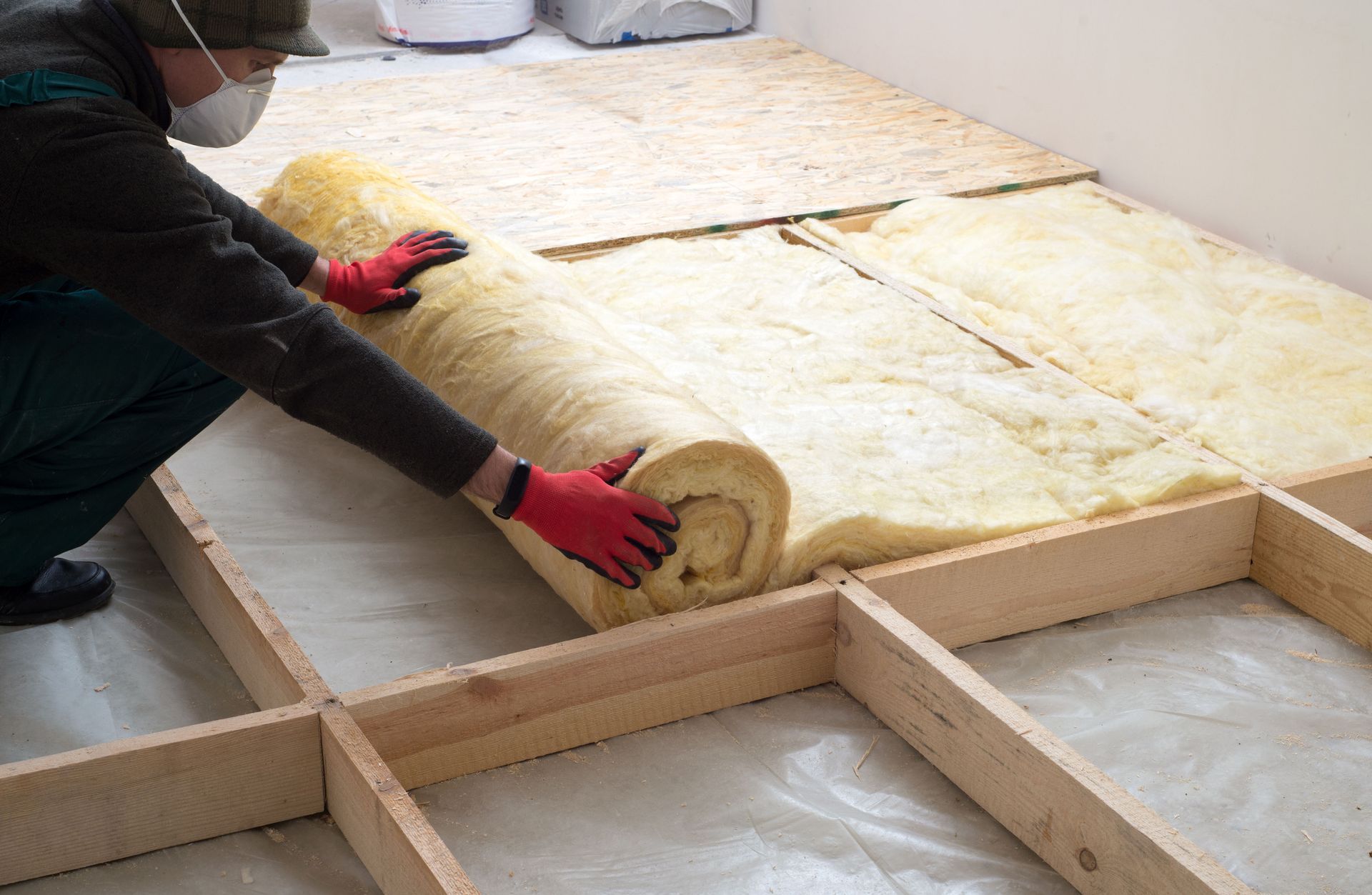
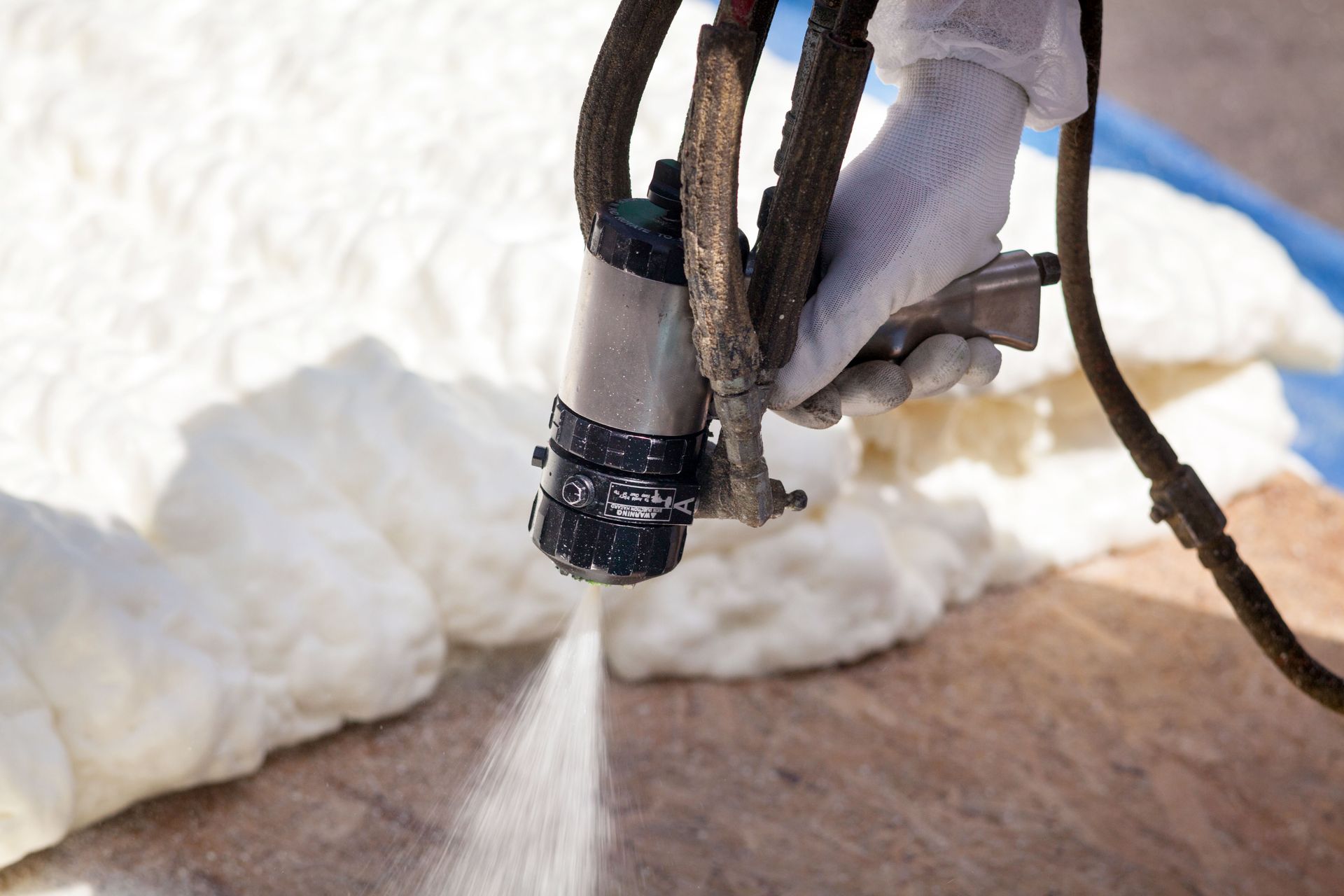
A trustworthy and knowledgeable insulation company will never advocate for a single, one-size-fits-all material solution for your entire home. Different architectural zones—such as unconditioned attics, exterior wall cavities, crawl spaces, rim joists, and concrete basements—demand distinct material characteristics regarding density, moisture resistance, and air-permeability. For example, spray polyurethane foam provides unmatched air-sealing properties and high thermal resistance per inch, making it exceptionally well-suited for rim joists and cathedral ceilings. In contrast, loose-fill blown-in cellulose or fiberglass offers an economical and highly effective option for insulating flat attic floors or retrofitting existing wall cavities through small drill ports. Rigid foam board excels in wet basement environments where moisture resistance is critical. Be cautious of any insulation company that aggressively pushes a single product line for every application without conducting a thorough visual inspection of your home's unique structural composition, local climate realities, and budget constraints.
3. Will You Perform Comprehensive Air Sealing Before Installation?
One of the most common and costly mistakes in residential retrofits is laying down thick layers of fresh insulation directly over unsealed structural gaps. Insulation acts as a thermal blanket by slowing down conductive heat transfer, but most standard materials—such as fiberglass batts or loose-fill cellulose—do not stop convective airflow. Warm air can easily pass right through porous insulation if air leaks exist underneath. Before installing new insulation, an experienced insulation company will perform thorough air sealing across the building envelope using expanding foam, specialized acoustic sealants, and high-temp caulking. This includes systematically sealing hidden pathways around recessed light fixtures, electrical junction boxes, plumbing stack penetrations, open wall cavities, ductwork boots, and attic access hatches. Skipping this essential preliminary step can compromise up to thirty percent of your new insulation's potential efficiency gains, leading to ongoing energy loss and unwanted drafts.
4. How Will You Ensure Proper Attic Ventilation and Moisture Management?
Proper insulation installation is inextricably linked to effective moisture management and structural ventilation. Adding insulation to an attic without safeguarding ventilation pathways can trap excessive heat and moisture within the roof assembly. During cold winter months, warm interior vapor escaping into an unventilated attic condenses against the chilly underside of the roof deck, creating an ideal environment for destructive mold growth, wood rot, and structural decay. In freezing climates, trapped heat can melt snow cover on the roof deck, leading to devastating ice dams that destroy gutters and shingles. A qualified insulation company will ensure that soffit vents remain completely unobstructed by installing plastic or cardboard rafter baffles (also known as insulation chutes) prior to blowing in loose material. Furthermore, they will evaluate whether your specific climate zone requires a continuous vapor barrier on the warm-in-winter side of the building assembly to mitigate moisture vapor migration.
5. What Safety Protocols and Environmental Measures Do You Follow?
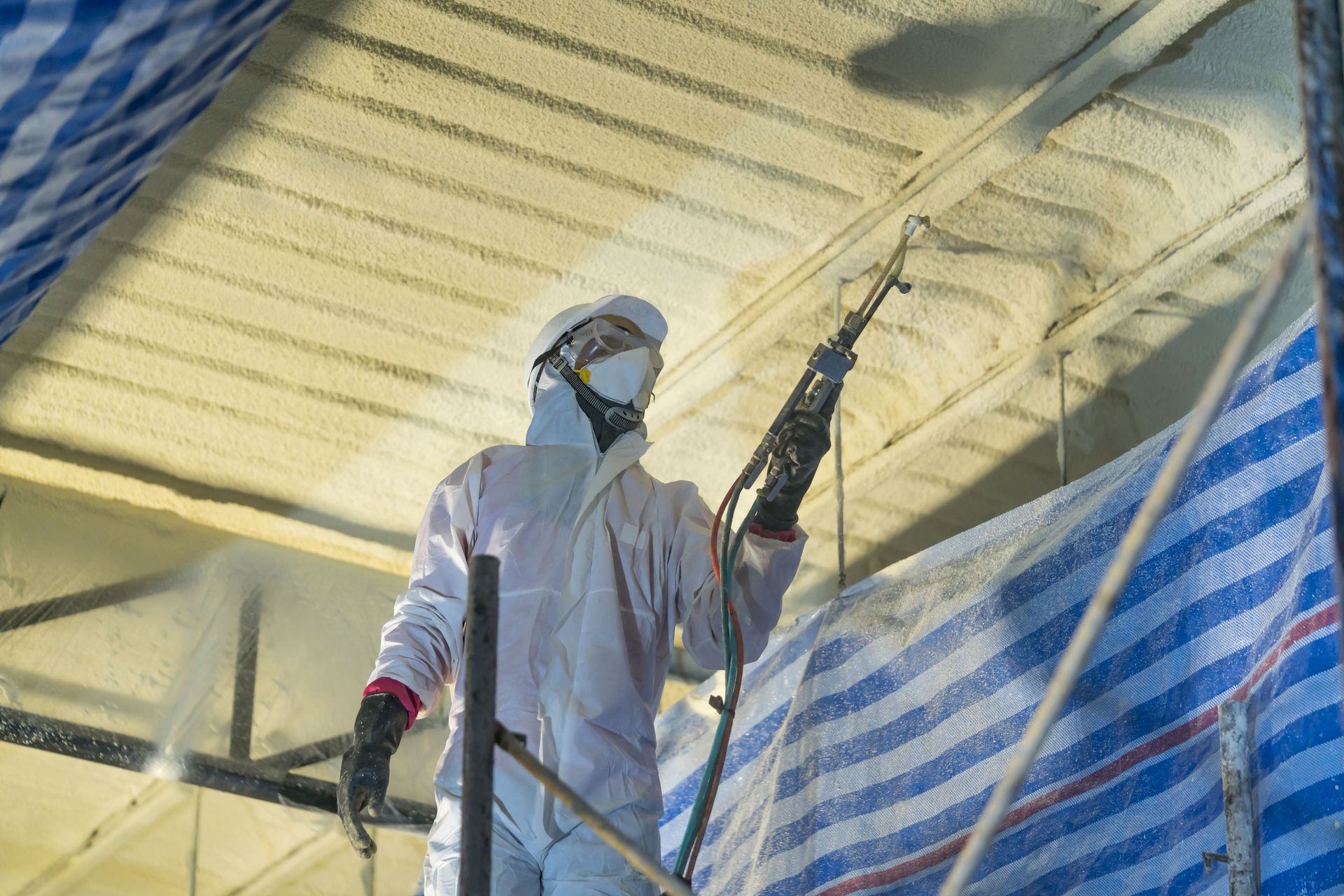
Insulation work involves fine airborne particulates, hazardous dust, and chemical compounds that require strict adherence to job site safety protocols. Removing old insulation or disturbing blown material releases airborne glass fibers, dust, and potential allergens throughout the workspace. Additionally, applying two-part spray polyurethane foam involves chemical reactions that release volatile organic compounds (VOCs) during the mixing and spraying processes. Ask the insulation company what physical containment barriers, such as temporary plastic sheeting and negative-pressure HEPA air scrubbers, they will deploy to protect your indoor living spaces from cross-contamination. For spray foam applications, ask specifically about required curing times, proper cross-ventilation measures, and the mandatory re-entry timeframe that dictates how long your family and household pets must remain off-site while chemical fumes dissipate fully.
6. Are Old Insulation Removal, Prep Work, and Final Cleanup Included in the Price?
Unclear or vague contractor estimates often lead to frustrating, unexpected out-of-pocket costs once the project is underway. You must clarify exactly what tasks are included within the quoted base price from your insulation company before signing any agreement. Inquire specifically whether the removal and disposal of old, water-damaged, compressed, or rodent-contaminated insulation is factored into the estimate, as specialized vacuum extraction and hazardous disposal fees can add thousands of dollars if billed separately. Additionally, clarify whether preliminary preparatory steps—such as constructing dams around hot flues, chimney stacks, and non-IC rated recessed lighting, or repairing damaged air ducts—are fully integrated into the baseline cost. Finally, demand that the scope of work clearly details post-installation cleanup, ensuring the crew will HEPA-vacuum all work areas, clean up overspray, and haul away all job site waste before final payment is rendered.
7. What Warranties Cover the Materials and the Installation Workmanship?
A comprehensive warranty package provides long-term peace of mind and reflects a contractor's genuine confidence in their work. It is essential to distinguish clearly between the manufacturer's product warranty and the independent labor or installation warranty offered by the insulation company. Manufacturer warranties cover inherent material defects—such as premature product degradation or failure to maintain stated R-values—and can range from ten years to a limited lifetime depending on the specific product line. Request clear written documentation outlining both warranties, ensuring you understand the exact claim procedures, exclusions, and limitations before committing to the project.
Investing in high-performance insulation is undoubtedly one of the most practical and high-return choices you can make for your home. By taking the time to ask these detailed questions, you eliminate guesswork, protect your budget from unexpected fees, and ensure your project is completed safely, correctly, and efficiently. Always request detailed, itemized quotes in writing from at least three licensed local specialists, comparing their proposed materials, air sealing scope, and warranty terms side by side. Choosing a reliable
insulation company guarantees that your investment delivers lower utility bills, improved indoor air quality, and superior living comfort for decades to come. Call Foothills Gutter & Insulation today for more information.





Share On: