

5 Signs Your Home Needs New Insulation
Proper home insulation is crucial for ensuring energy efficiency and maintaining a comfortable living environment. Effective insulation can lead to significant savings in energy bills by reducing the need for excessive heating and cooling. Spotting signs of failing insulation early can prevent costly repairs and help sustain the structural integrity of your home. This article explores five key indicators that your home might require services from insulation companies.
1. High Energy Bills
An unmistakable sign that your home may need new insulation is a sudden rise in energy bills. When insulation becomes ineffective, it allows excessive heat loss during winter and gain during summer, causing your HVAC system to work harder. Comparing your current bills to those from previous years can provide insights into any dramatic increases in energy consumption. If there are noticeable seasonal spikes unrelated to changes in energy prices or extreme weather, it could point to insulation problems. Additionally, inefficient heating and cooling systems often indicate that insulation is not performing optimally.
Performing a detailed examination of utility company reports can help pinpoint periods of heightened energy use. These reports usually include comparisons with neighboring homes and historical data, offering a broader perspective. Conducting an energy audit is another effective way to identify insulation inefficiencies. This professional evaluation assesses air leaks, heating systems, and insulation levels, giving a comprehensive overview of your home's energy performance and which kinds of insulation might be most effective. For example, according to Grand View Research, the glass wool sector has a market share of 25.9%, highlighting insulation's popularity and effectiveness in many homes.
Addressing energy inefficiency is critical, not just for cost savings but also for environmental reasons. Homes with poor insulation contribute to higher carbon emissions due to increased energy consumption. Investing in new insulation can therefore also be part of a broader effort to reduce your ecological footprint. Furthermore, many local governments offer incentives for energy efficiency improvements, making it financially advantageous to reach out to expert insulation companies and upgrade your insulation. By taking these proactive measures, you can significantly enhance your home's energy efficiency and reduce utility expenses.
2. Indoor Temperature Variations
Another sign of poor insulation is noticeable temperature variability within your home. If particular rooms or areas feel significantly warmer or cooler than others, it may indicate inadequate insulation in those spaces. Such hot and cold spots suggest that the insulation isn't providing uniform thermal resistance, leading to inconsistent indoor climate control. Difficulty in maintaining stable room temperatures often forces more frequent adjustments to thermostats, increasing energy usage. Additionally, changes in external weather conditions might exacerbate these temperature fluctuations if your insulation is compromised.
Inconsistent indoor temperatures can also impact thermal comfort, affecting the overall comfort of your living spaces. Thermal comfort is closely linked to the efficiency of your home's insulation system, as it ensures a stable indoor environment regardless of outdoor weather. When insulation deteriorates, it no longer regulates the heat flow efficiently, resulting in uncomfortable living conditions. Addressing these issues involves inspecting insulation materials and ensuring they meet modern standards. Regular checks and updates to insulation can help maintain desired comfort levels within your home.
Thermostat issues are another consequence of ineffective insulation, as homeowners may constantly adjust the temperature settings to achieve comfort. This overreliance on HVAC systems can put additional strain on them, shortening their lifespan and increasing maintenance costs. Furthermore, repeated thermostat adjustments don't solve the underlying issue of inadequate insulation. Evaluating the insulation's performance, particularly in relation to windows, doors, and attic spaces, can identify problem areas. Addressing these insulation issues with the help of qualified insulation companies ensures a consistent and comfortable indoor environment throughout the year.
3. Moisture Problems
Moisture problems within a home can be both a sign of poor insulation and a contributing factor to its degradation. Condensation on walls and windows is often an indication that the insulation isn't effectively managing indoor humidity levels. This excess moisture can also lead to mold and mildew growth, which not only damage your home but also pose health risks. Identifying mold and mildew involves inspecting areas prone to moisture accumulation, such as basements, attics, and bathrooms. Addressing these moisture issues is critical to maintaining a healthy and energy-efficient home environment.
Water leaks can exacerbate moisture problems and further compromise insulation quality. Older homes, in particular, may have outdated or damaged insulation that does not effectively repel moisture. Inspecting for leaks around roof areas, plumbing, and windows can help pinpoint sources of moisture intrusion. Once identified, repairing leaks and upgrading insulation can mitigate these effects. By addressing leaks and improving insulation with the assistance of insulation companies, you prevent long-term structural damage and maintain indoor air quality.
Maintaining appropriate humidity levels within your home is essential for insulation efficiency and overall comfort. High humidity can reduce insulation's thermal resistance, making it less effective at controlling indoor temperature. Assessing ventilation systems and ensuring they are functional can assist in controlling humidity levels. Proper ventilation promotes air circulation, reducing moisture accumulation and protecting insulation materials. Regular assessments of both insulation and ventilation ensure optimal energy efficiency and comfort in your home.
4. Drafts and Air Leaks
Drafts and air leaks are clear indicators of insulation failure, as they allow unregulated air exchange between your home and the outside environment. Locating common air leak areas such as window and door frames, attic hatches, and electrical outlets is an essential first step in resolving these issues. Conducting a blower door test can be a valuable diagnostic tool, precisely determining areas where air leakage is significant. This test utilizes a powerful fan attached to an external door to measure the air infiltration rate in the home. Identifying these problem areas allows homeowners to address insulation gaps and enhance energy efficiency.
Smoke pens or candles can also be used to detect drafts, highlighting the movement of air at potential leak sites. Simply running these devices along doors and windows can reveal unseen air flow, indicating gaps in insulation seals. Once identified, solutions such as weather-stripping, caulking, and adding insulation material can be effective. Weather-stripping around doors and windows, for instance, can significantly reduce drafts, aiding in maintaining a stable indoor climate. Evaluating the effectiveness of these solutions helps ensure enduring improvements in energy efficiency.
Setting regular intervals for reviewing window and door seals is an essential preventive measure for maintaining insulation effectiveness. Over time, seals can deteriorate, leading to increased energy costs and reduced comfort levels in the home. By proactively replacing aging seals, homeowners can prevent minor air leaks from becoming significant issues. Additionally, inspecting and upgrading insulation materials around these areas with products from insulation companies can maintain insulation performance and indoor comfort. Through these measures, your home can remain warm and energy-efficient regardless of external weather conditions.
5. Insulation Material Degradation
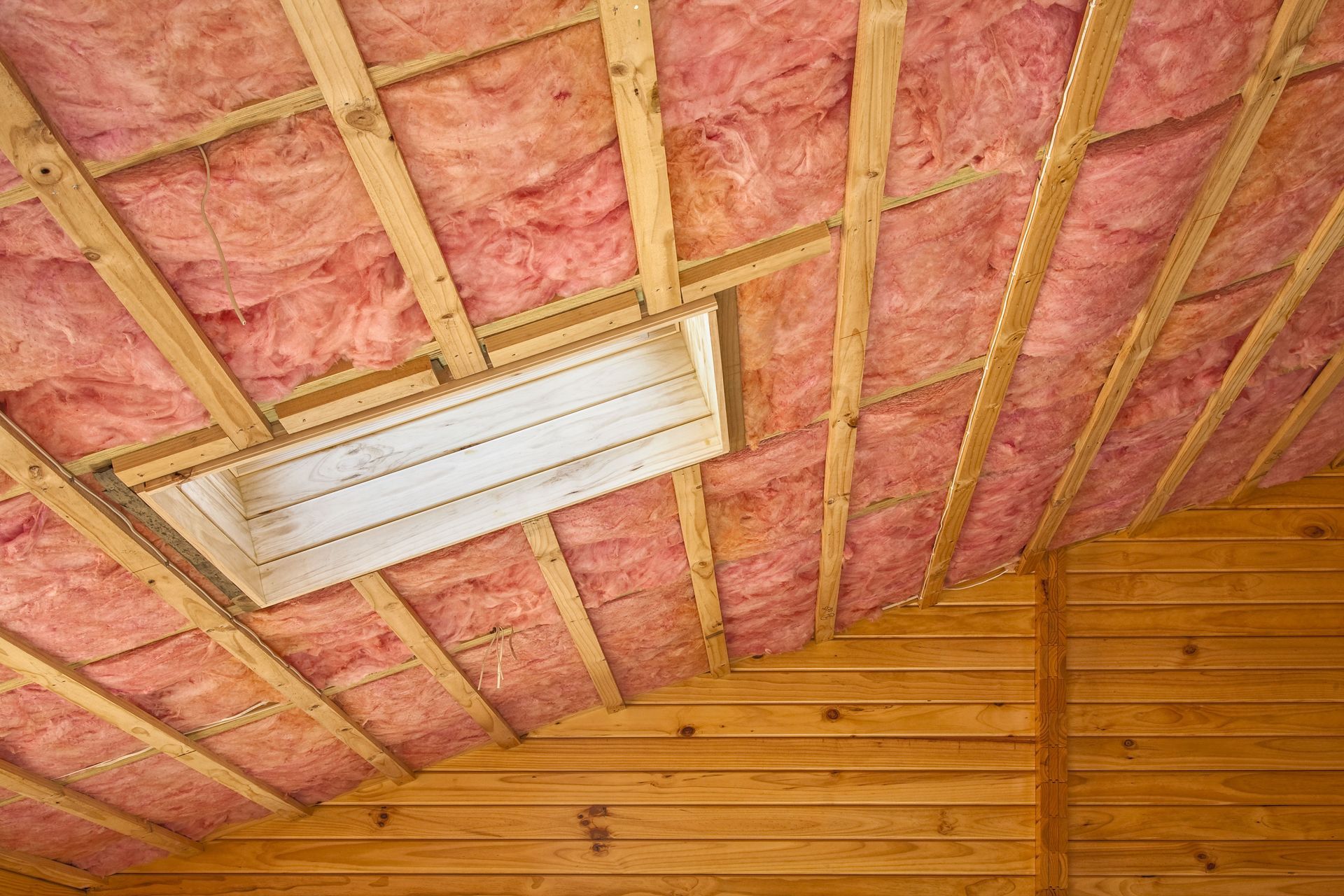
Old or deteriorating insulation material may be less effective, necessitating replacement to maintain energy efficiency. Visual signs such as discolored, compressed, or damaged insulation indicate aging or pest-related deterioration. Comparing the types of insulation materials that are currently available can help inform decisions about suitable replacements. Materials like fiberglass batts and blown-in cellulose are common, but the growing popularity of eco-friendly and technologically advanced options is notable. By choosing modern insulation materials from high-quality insulation companies, homeowners can benefit from improved efficacy and sustainability.
Assessing insulation R-value over time is another way to measure insulation quality. The R-value, or thermal resistance, decreases as insulation degrades, making it less effective at retaining heat. Periodic evaluations of R-value can indicate when it's time to consider upgrades. Technological advancements in insulation materials have led to innovations that offer higher R-values and improved long-term performance. Considering these advancements, updating aging or ineffective insulation can result in substantial energy savings and increased home value.
Scheduling regular insulation reviews is a proactive strategy to ensure your home remains energy-efficient. By assessing insulation condition and performance periodically, homeowners can identify emerging problems before they escalate. Instituting an annual or bi-annual review schedule ensures timely detection of potential issues. Additionally, professional insulation companies can provide expertise and support in evaluating insulation and estimating suitable improvements. Consistently monitoring and upgrading insulation helps maintain a high degree of thermal comfort and energy efficiency. If you've gone through this list and realized you're in need of insulation services, reach out to Foothills Gutter & Insulation today!
Share On: