

5 Ways Climate-Resilient Insulation Service Protects Homes from Heat, Humidity, and Extreme Weather
Homeowners today face a growing range of weather-related challenges, from prolonged heat waves and excessive humidity to severe storms and fluctuating temperatures. As climate patterns continue to shift, protecting a home requires more than standard construction materials and routine maintenance. Investing in a quality insulation service can help create a stronger barrier against environmental stressors while improving comfort and energy efficiency throughout the year.
Climate-resilient insulation is designed to perform under demanding conditions, helping homes maintain stable indoor temperatures and reducing the impact of moisture and extreme weather. According to Freedonia Group, demand for insulation products in North America is expected to increase by approximately 3.6% each year, reaching $16.5 billion by 2028. This growth reflects a rising awareness among property owners of the important role insulation plays in protecting homes and supporting long-term energy performance.
1. Temperature Control
One of the most important benefits of climate-resilient insulation is its ability to regulate indoor temperatures. During periods of extreme heat, properly installed insulation slows the transfer of outdoor heat into living spaces. This helps homeowners maintain comfortable indoor conditions without placing excessive strain on cooling systems.
In colder months, insulation works in the opposite direction by reducing heat loss from the interior of the home. By minimizing temperature fluctuations, homeowners can enjoy greater comfort throughout the year. Consistent indoor temperatures also contribute to lower energy consumption and reduced utility costs.
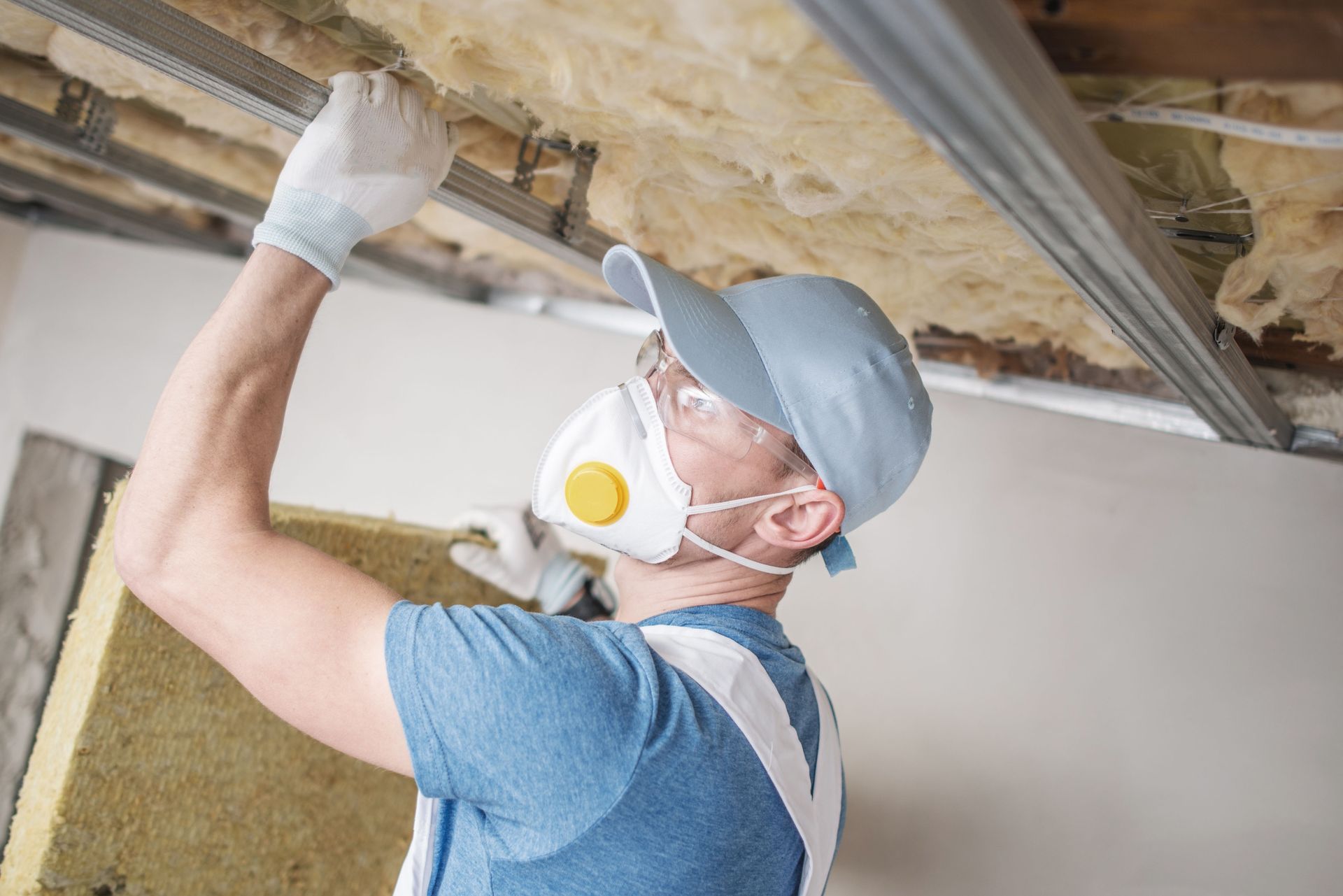
A professional insulation service ensures that insulation materials are installed correctly and provide optimal thermal performance. Proper coverage eliminates gaps and weak points where heat transfer can occur. This comprehensive approach allows homeowners to maximize the effectiveness of their insulation investment.
Climate-resilient insulation materials are often designed to withstand a broader range of temperatures than traditional options. This durability helps maintain performance even during prolonged heat waves or unexpected cold snaps. As weather extremes become more common, temperature control remains a critical component of home protection.
2. Moisture Resistance
Humidity can be just as damaging to a home as extreme temperatures. Excess moisture can lead to mold growth, wood rot, and deterioration of building materials. Climate-resilient insulation helps reduce these risks by limiting moisture movement through walls, attics, and crawl spaces.
Many advanced insulation products include moisture-resistant properties that help prevent water absorption. When insulation remains dry, it continues to perform efficiently and maintains its insulating value over time. This reduces the likelihood of costly repairs related to moisture damage.
Homeowners living in regions with high humidity levels often experience challenges with indoor air quality. Moisture accumulation can create an environment where mold and mildew thrive. A properly installed insulation service can help reduce condensation and support a healthier indoor environment.
Moisture resistance is especially important following severe storms and heavy rainfall events. Water intrusion can compromise traditional insulation and reduce its effectiveness. Climate-resilient materials are often better equipped to withstand these conditions and continue protecting the home.
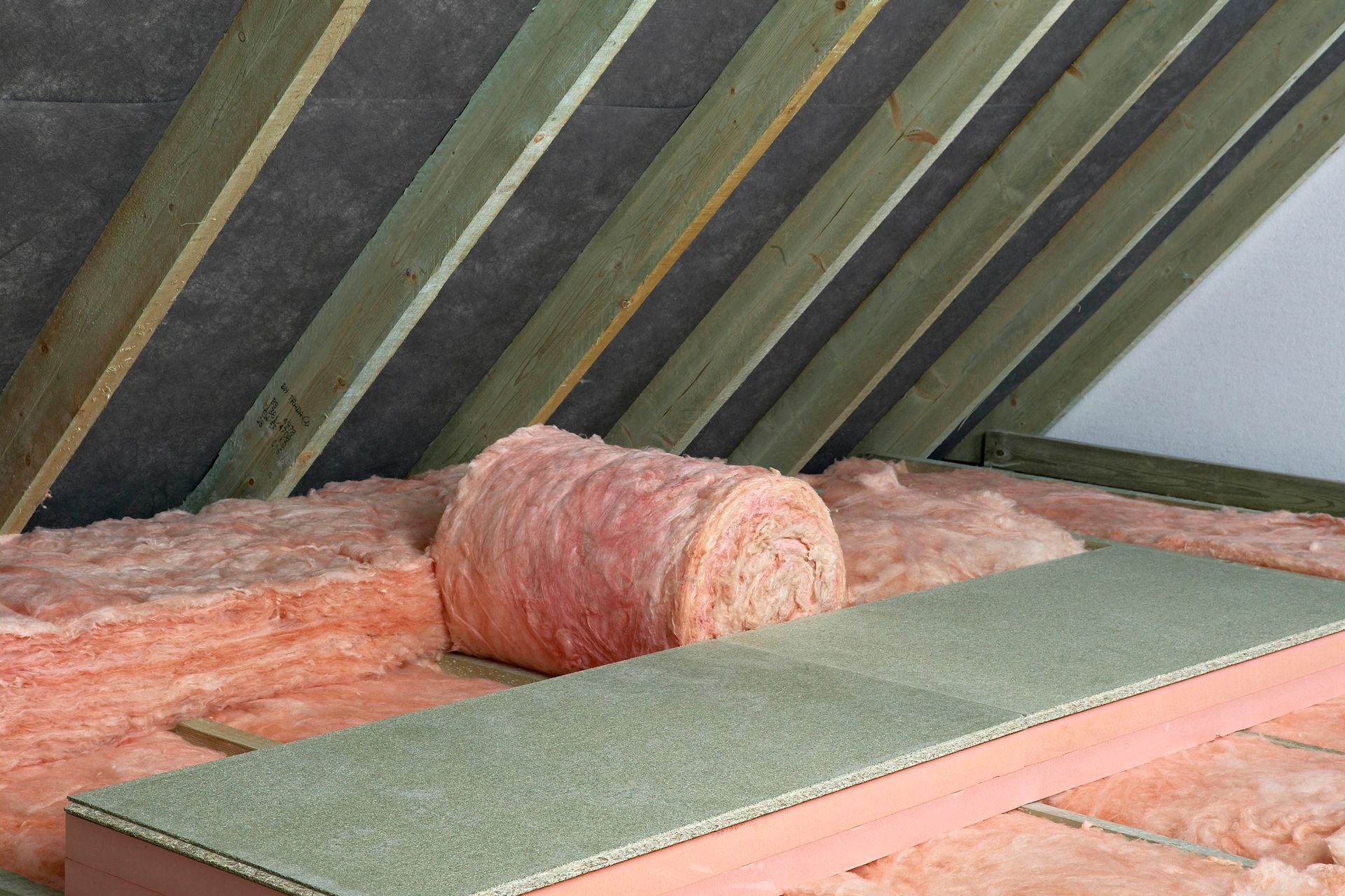
Proper attic insulation plays a significant role in moisture management. Warm, humid air that enters attic spaces can condense when it encounters cooler surfaces. By creating an effective thermal barrier, insulation helps minimize condensation and the problems that can result from excess moisture.
3. Weather Protection
Extreme weather events place tremendous stress on residential structures. High winds, intense storms, and sudden temperature changes can expose weaknesses in a home's building envelope. Climate-resilient insulation contributes to a stronger and more durable protective system.
When insulation is installed correctly, it helps seal gaps and cracks where air infiltration can occur. This added protection reduces drafts and helps maintain indoor comfort during storms. It also limits the entry of outdoor pollutants, dust, and allergens.
A reliable insulation service can identify areas where a home may be vulnerable to air leakage and weather-related damage. Addressing these issues improves the overall resilience of the structure. Homeowners benefit from enhanced protection against both everyday weather conditions and extreme events.
Severe storms often bring rapid pressure changes and powerful wind gusts. Homes with effective insulation and air sealing measures are generally better equipped to withstand these environmental stresses. The result is a more comfortable and protected indoor environment.
Insulation also supports the performance of other building systems. Roofing materials, siding, and weather barriers function more effectively when paired with proper insulation. Together, these components create a comprehensive defense against challenging weather conditions.
In areas prone to hurricanes, severe thunderstorms, or winter storms, climate-resilient insulation can provide an added layer of security. While no insulation system can prevent all damage, it can help reduce the impact of weather-related stress on the home.
4. Energy Efficiency
Energy efficiency remains one of the primary reasons homeowners invest in upgraded insulation systems. As temperatures become more extreme, heating and cooling equipment must work harder to maintain comfortable indoor conditions. Effective insulation reduces this workload and improves overall system efficiency.
A professionally performed insulation service helps ensure that insulation achieves the intended thermal resistance and coverage. This allows HVAC systems to operate more efficiently and consistently. Reduced equipment strain can also contribute to longer system life and fewer maintenance issues.
Lower energy consumption benefits both homeowners and the environment. By reducing the amount of energy needed for heating and cooling, insulation helps decrease household utility expenses. Over time, these savings can offset a significant portion of the installation cost.
Climate-resilient insulation can be particularly valuable in regions experiencing rising summer temperatures. Preventing heat gain helps maintain comfortable indoor conditions without excessive air conditioning use. This advantage becomes increasingly important during extended heat waves.
Energy-efficient homes may also experience increased property value. Prospective buyers often appreciate features that reduce operating costs and improve comfort. A modern insulation service can therefore contribute to both immediate and long-term financial benefits.
As energy costs continue to fluctuate, homeowners are seeking practical solutions that deliver measurable results. High-performance insulation represents one of the most effective ways to improve efficiency while strengthening overall home resilience. This combination of benefits makes insulation a valuable component of any climate adaptation strategy.
5. Air Sealing Benefits
Climate-resilient insulation does more than slow heat transfer—it also helps improve a home's air sealing capabilities. Small gaps, cracks, and openings around walls, ceilings, and floors can allow conditioned air to escape while permitting outdoor air to enter. This continuous air exchange can make it more difficult to maintain comfortable indoor temperatures and can increase energy costs.
Many modern insulation systems are designed to work alongside air-sealing measures to create a more complete building envelope. By reducing unwanted airflow, homeowners can enjoy fewer drafts and more consistent temperatures throughout the home. Improved air sealing can also reduce hot and cold spots that often develop in poorly insulated areas.
A professional insulation service can identify hidden air leaks that may otherwise go unnoticed. Addressing these problem areas helps maximize the effectiveness of insulation while improving overall comfort. The combination of insulation and air sealing creates a stronger defense against both seasonal weather changes and extreme climate conditions.
Better air sealing can also improve indoor air quality. Limiting the entry of outdoor pollutants, allergens, and airborne particles helps create a cleaner living environment. For families concerned about comfort, health, and efficiency, enhanced air sealing provides another important layer of protection against the challenges posed by changing weather patterns.
As weather conditions become more unpredictable, homeowners must take proactive steps to protect their properties from heat, humidity, and extreme weather events. Climate-resilient insulation offers valuable advantages, including improved temperature regulation, moisture control, enhanced weather protection, and greater energy efficiency. Choosing a professional
insulation service can help ensure that these benefits are fully realized while supporting the long-term durability and comfort of the home.
At Foothills Gutter & Insulation, we understand the challenges that changing weather conditions can create for homeowners. We provide expert solutions designed to strengthen your home's protection, improve comfort, and increase energy efficiency throughout the year. Contact us today to learn how we can help you invest in insulation systems that deliver lasting performance and peace of mind.





Share On: